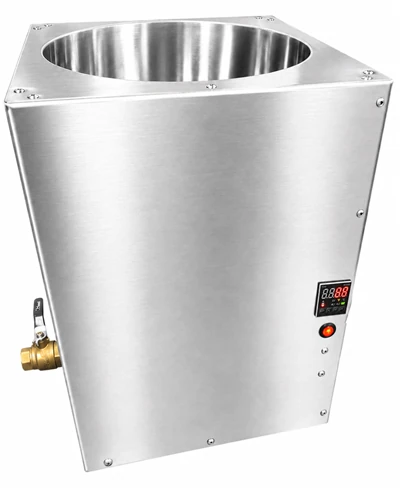
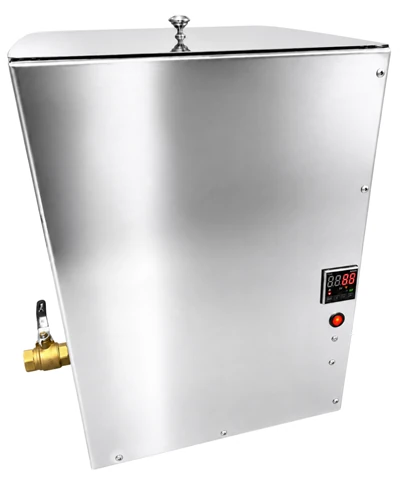
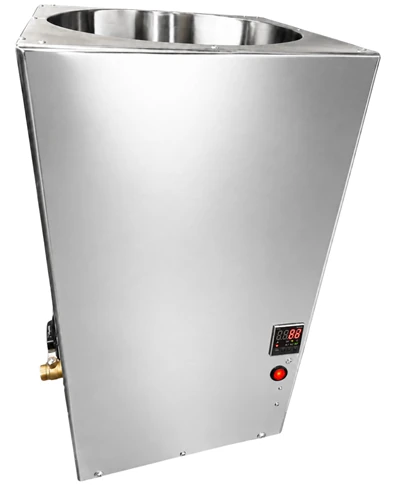
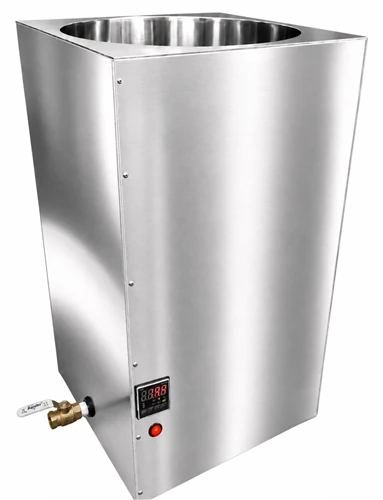
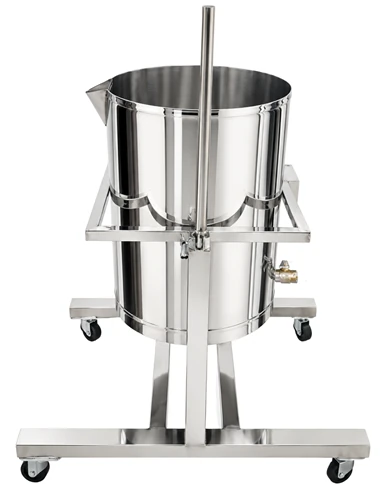
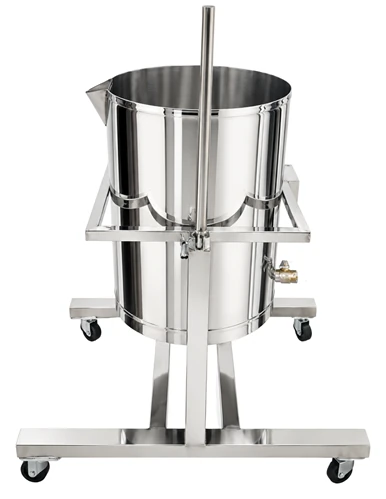
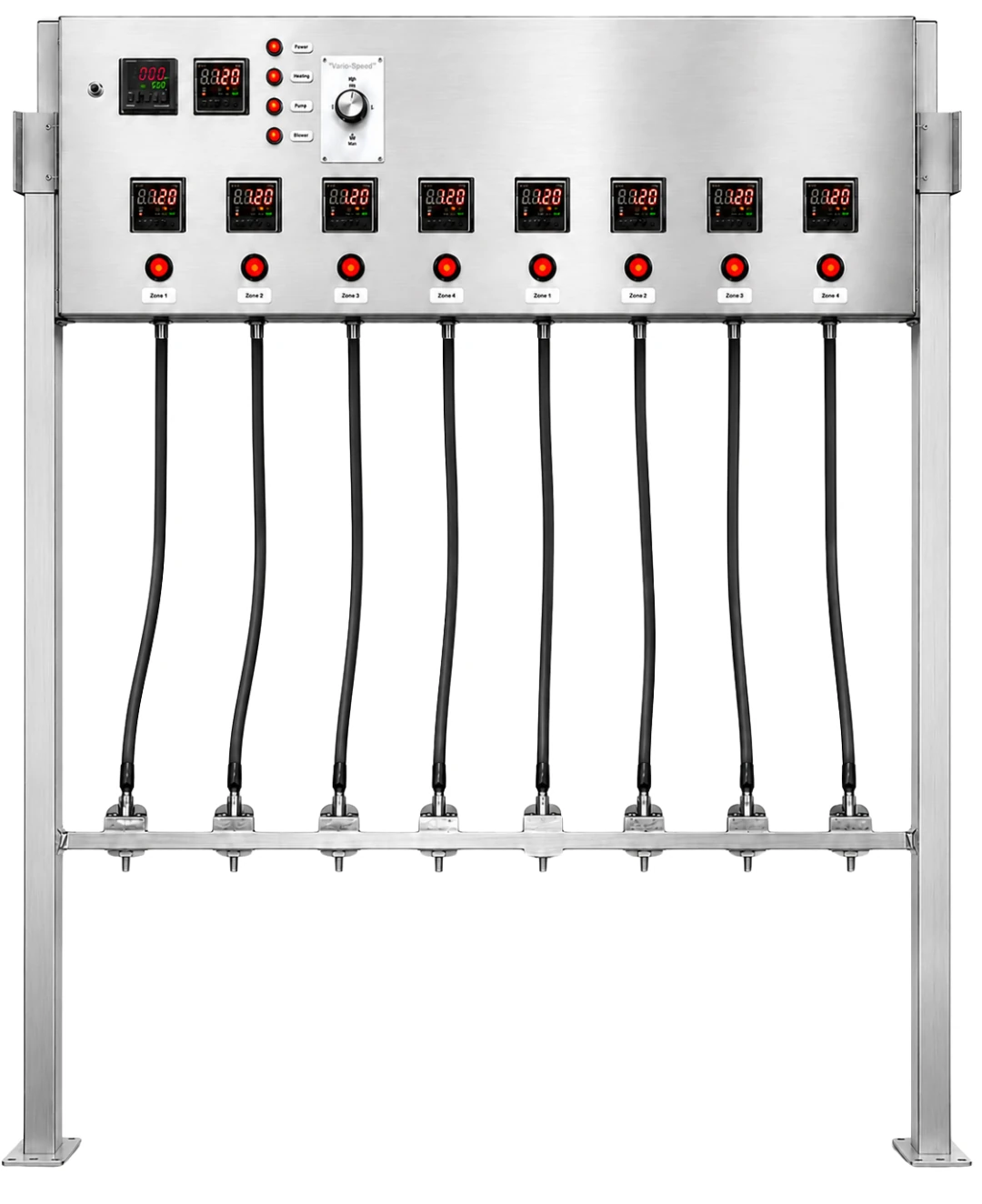
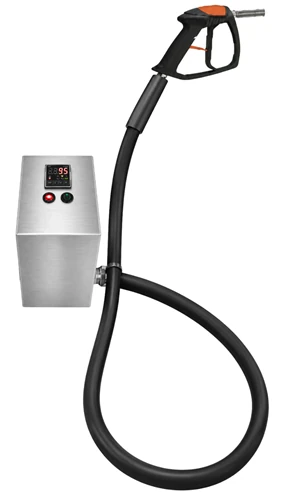
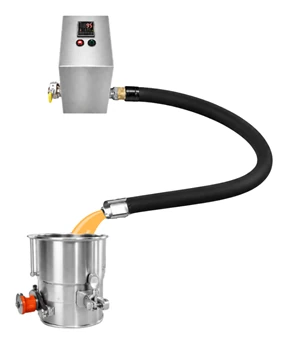
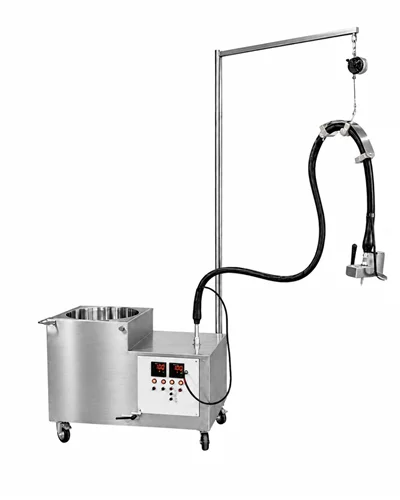
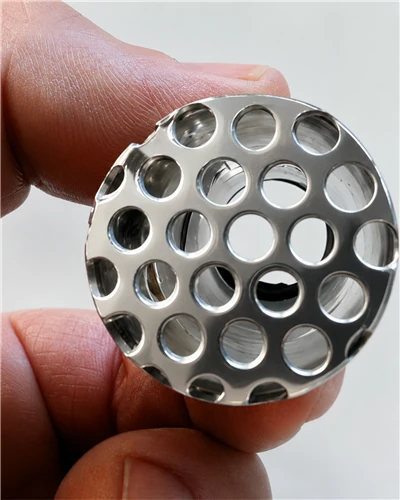
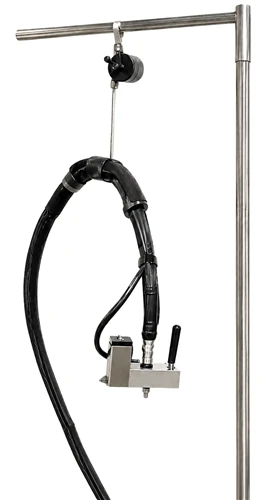
Hands-off fill
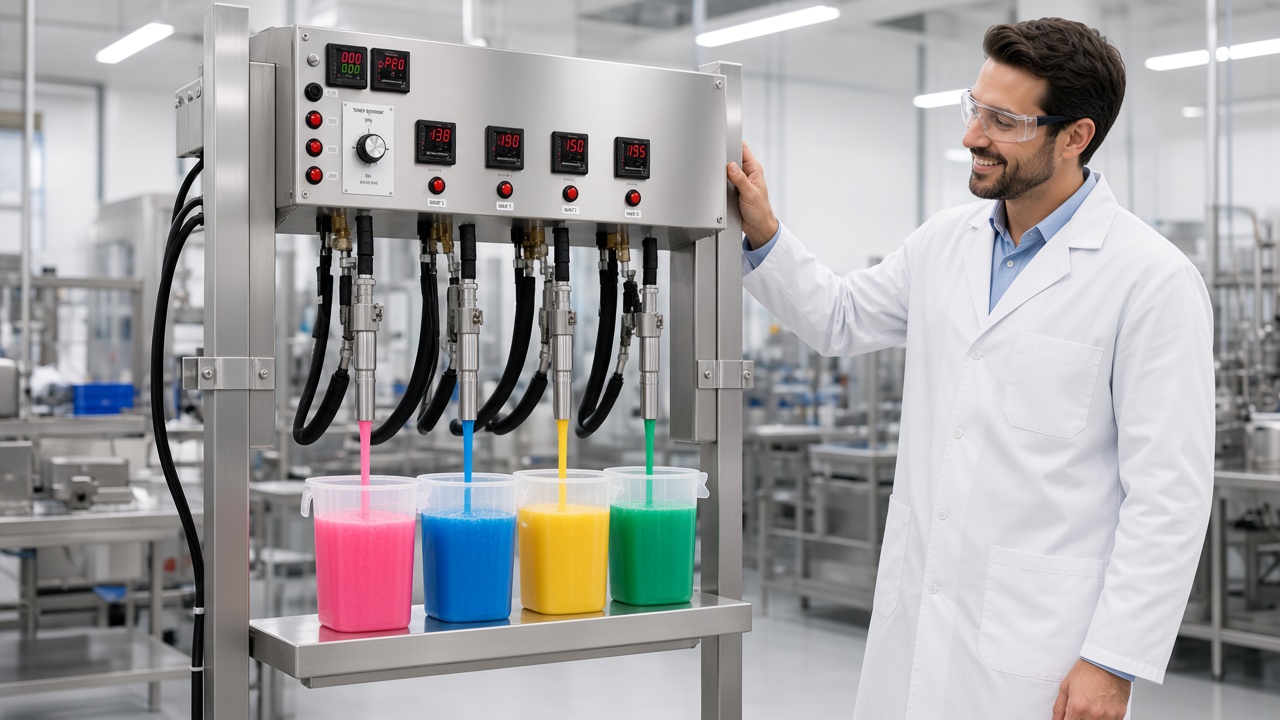
Multi-head heated path: pink, blue, yellow, green each in its own stream.
Trusted by












Reviews
We purchased our PRIMO Melter and EZ system from Melting & Filling Equipment for our ointment and...Rowena, Herbs From Wales, UNITED KINGDOMRead more
We love the PRIMO 1000 & PRIMO 2000 we ordered. They are definitely speeding up our wax melt...Tyson K., Candle Warmers Etc.Read more
I just wanted to take a moment to thank all of you- you are truly a pleasure to do business with....Shannon D., Pure Light Candle CompanyRead more
We were so pleased with our melting tank that we ordered another melter the same exact day. It...Jim, J.C. Danczak, Inc., Westfield, MassachusettsRead more
NASA/MSFC has the requirement for a Wax Melter, Pump and Transfer System with custom upgrades and...Steven S., NASA, Marshall Space Flight CenterRead more
We are still so happy with the (2) PRIMO 50 melters we bought from you 8 years ago for our soy...Glenn C., Madeline Island CandlesRead more
We purchased the EZ Filling System and increased our production 50% the first day! Reduced our...Ellen Kay R., New Boston CandleRead more
We're growing FAST and that PRIMO 75lb melter is a huge piece of it…we will most likely need one...Dave D., Dilo HomeRead more
Without the AutoShot system in our facility we would have had extreme backorders and labor costs...Kevin Preece, COO, Scentsy, Meridian, IdahoRead more
WaxMelters customized our extreme tank exactly the way we needed it. This PRIMO 2000 is even better...Tom B., Wholistic BotanicalsRead more
What used to take me hours, now takes me minutes! Love it!! I will recommend your company to other...Sonja Minic, Managing Director & Candle Artisan, Green Scents Pure Soy Candles, AustraliaRead more
To Everyone at WaxMelters, I just want to THANK YOU for making my job easier. With the new melter I...Donna R., Aurora Borealis CandlesRead more
USA soap production equipment since 1999
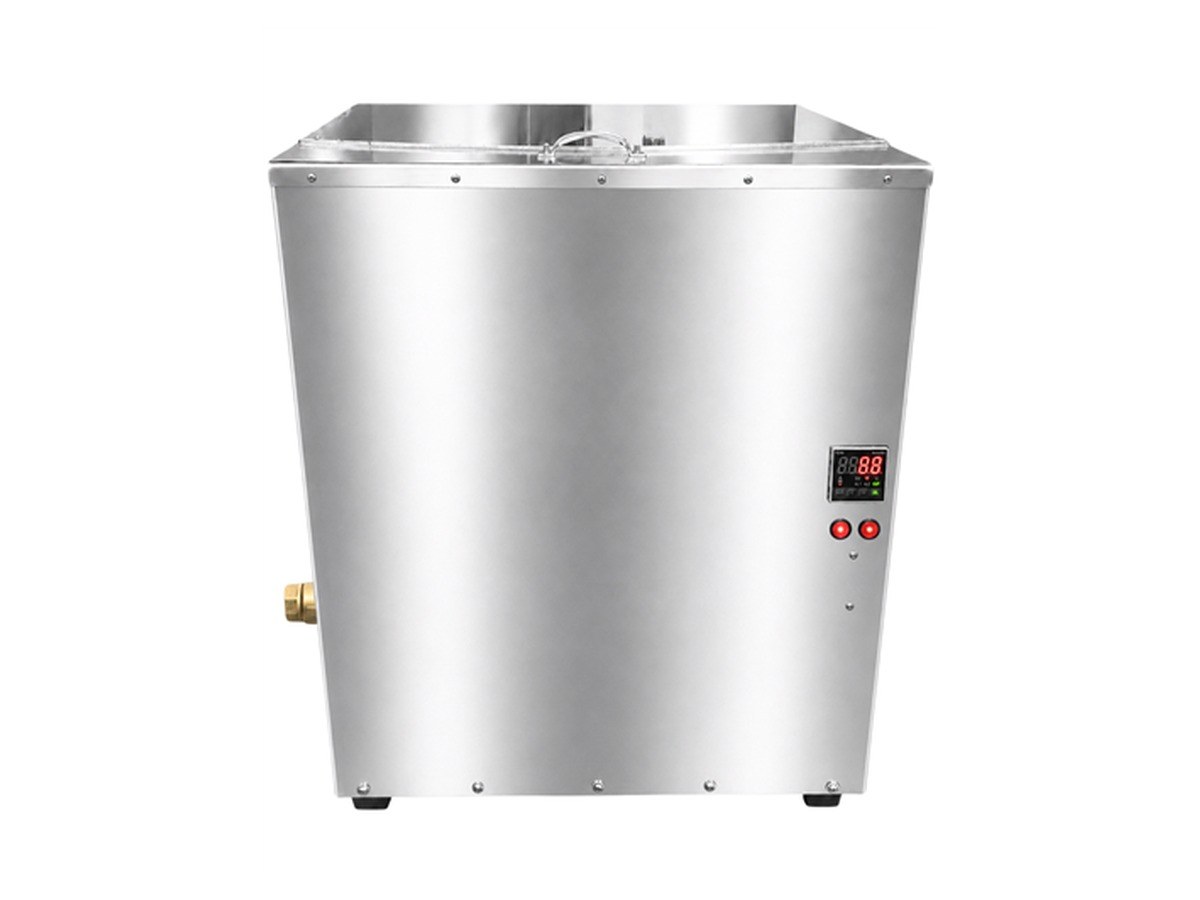
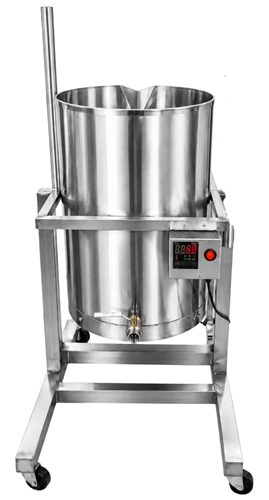
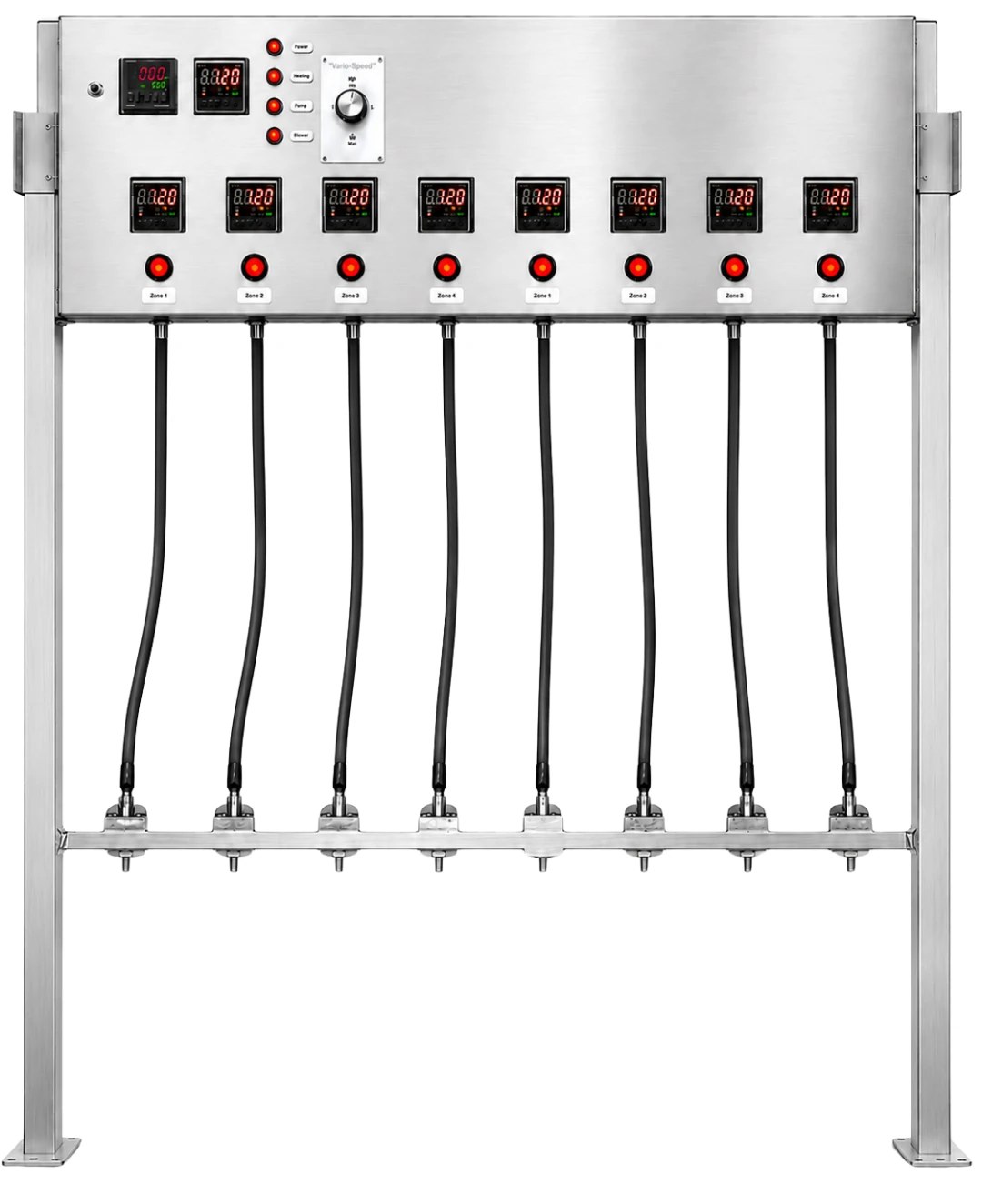
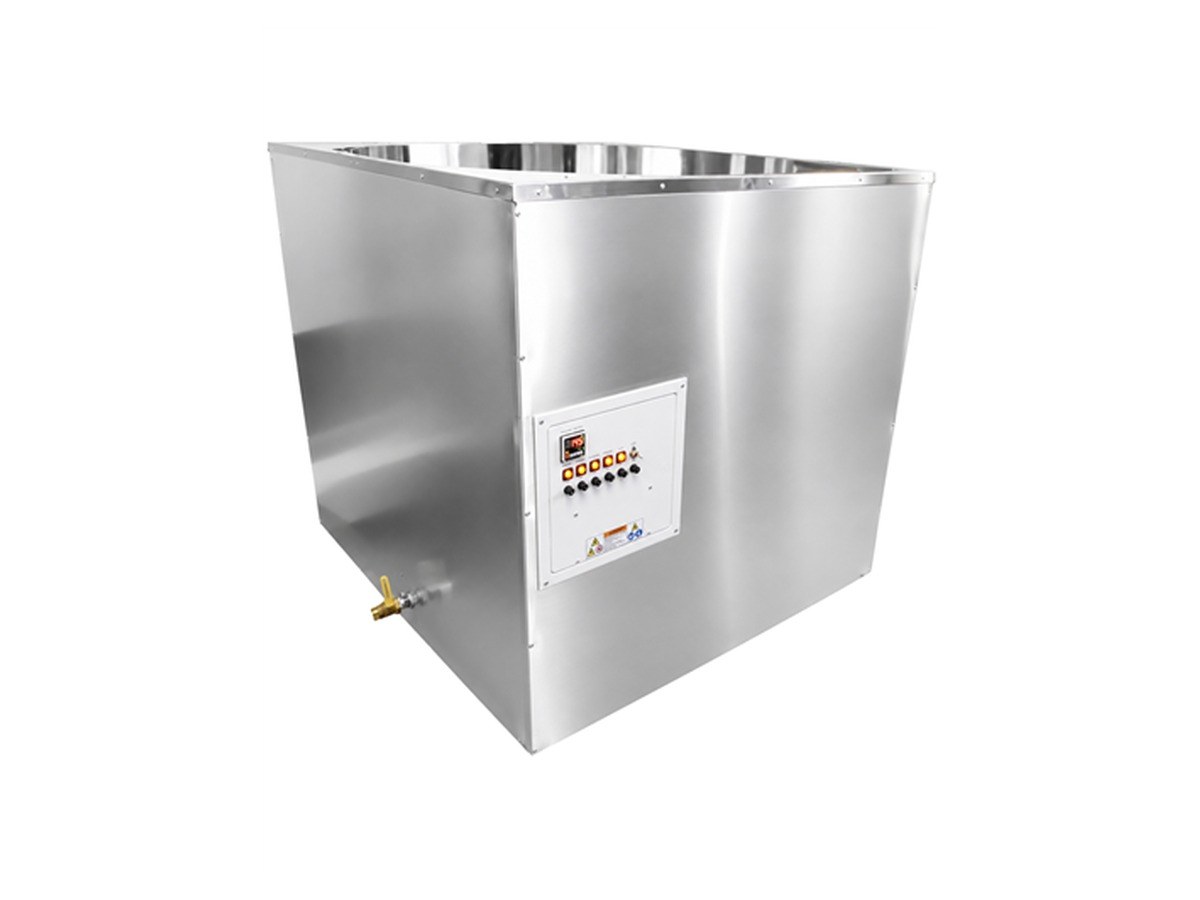
Waterless PRIMO tanks, heated tilting kettles, lye tanks, and heated fill from one USA factory. Built in Ronkonkoma, NY, BBB A+, with direct factory support.
Waterless PRIMO soap tanks
USA manufacturer since 1999 · BBB A+ · Ronkonkoma, NY · Direct factory support
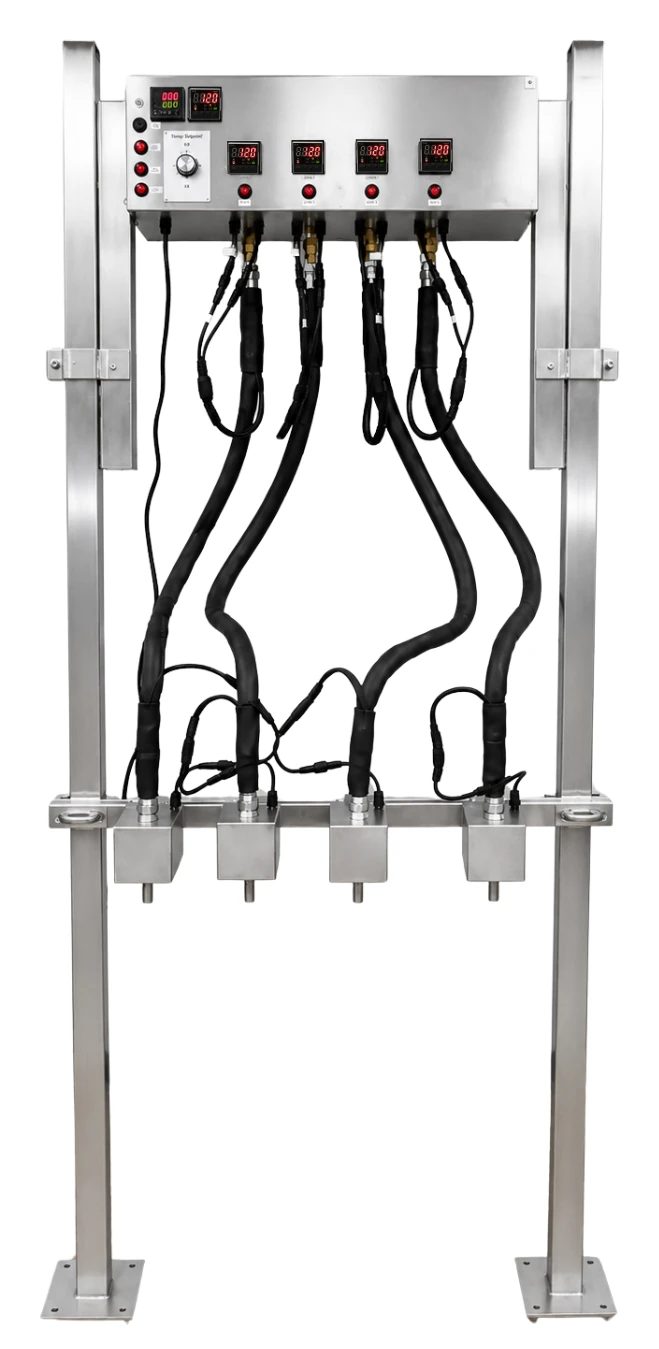
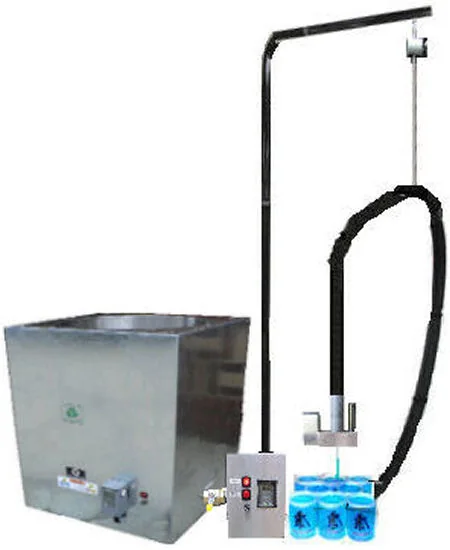
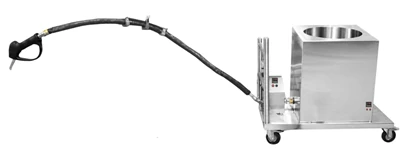
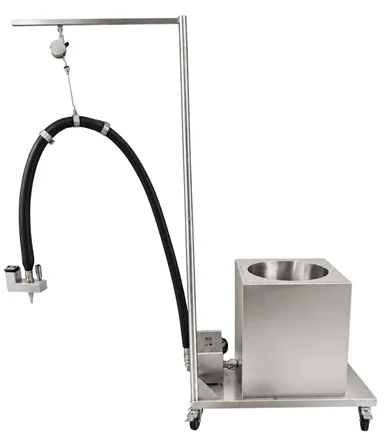
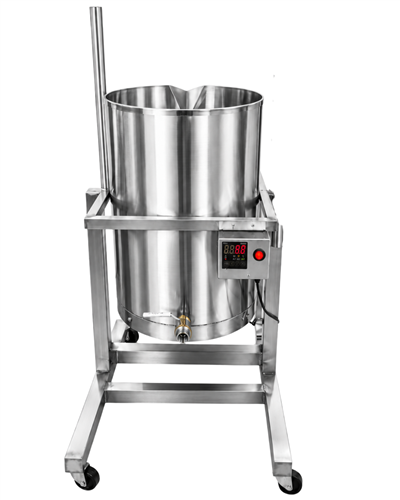
Heat, incorporate ingredients and discharge batches with mixing tanks and heated tilting-kettle configurations.
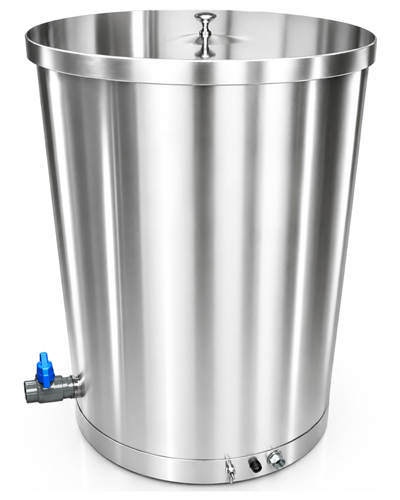
Use dedicated equipment for caustic-solution preparation, holding and integration into commercial soap-production workflows.
Move heated or viscous soap formulations to molds, containers, another vessel or the next production step.
Combine heating, mixing, heated transfer and filling into a coordinated commercial production workflow.
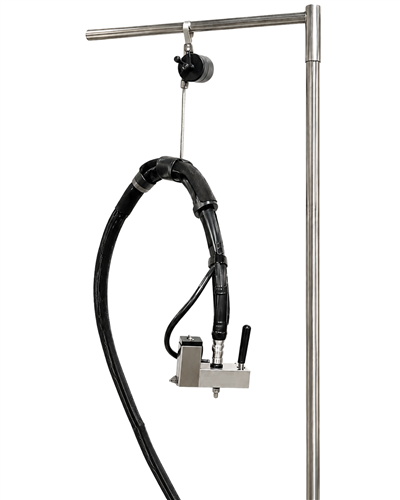
Find supported controls, valves, hoses, mixers, stands and production upgrades for PRIMO and WaxMelters equipment.
Pick your method. We will point you to the tanks, kettles and filling equipment that method actually uses, so you are not guessing from a parts list.
Bar soap, no cook
Blend your heated oils with lye solution, bring to trace, then pour to mold. No cook. You need a way to melt oils, mix the batch and prep lye safely.
Oil melting · Batch mixing · Lye prep
Bar soap, cooked
Same start as cold process, but you cook the batch with heat to drive saponification, then mold. The workhorse is a heated tilting kettle you can mix in and tip out.
Heated cook · Mix & tilt · Lye prep
Uses KOH, not NaOH
Cook the paste, dilute it, then bottle. Built around KOH, not bar-soap lye. You need heated tanks to cook and hold, plus filling to fill bottles cleanly.
Heated cook · Dilute & hold · Bottle filling
Pre-made base, no lye
Melt a ready-made base, add color and scent, pour to mold. No lye handling. You need a clean melter to hold base at pour temp and equipment to fill molds or containers.
Base melting · Hold at temp · Mold filling
| Your method | What the process needs | Equipment |
|---|---|---|
| Cold ProcessBar soap, no cook | Melt oils and fats, mix in lye solution to trace, pour to mold | Production Tanks, Lye / NaOH Tanks, Mixing & Tilting Kettles |
| Hot ProcessBar soap, cooked | Cook the batch with heat, then mold | Mixing & Tilting Kettles (heated), Lye / NaOH Tanks, Production Tanks |
| Liquid SoapUses KOH, not NaOH | Cook paste, dilute, hold, then bottle | Complete Systems, Filling & Transfer, Production Tanks |
| Melt & PourPre-made base, no lye | Melt base, hold at pour temp, fill molds or containers | Complete Systems, Filling & Transfer, Production Tanks |
Cold and hot process bar soap use sodium hydroxide (NaOH). True liquid soap uses potassium hydroxide (KOH). Our Lye / NaOH tanks are built for caustic-solution prep either way. Tell us which you run and we will spec it right.
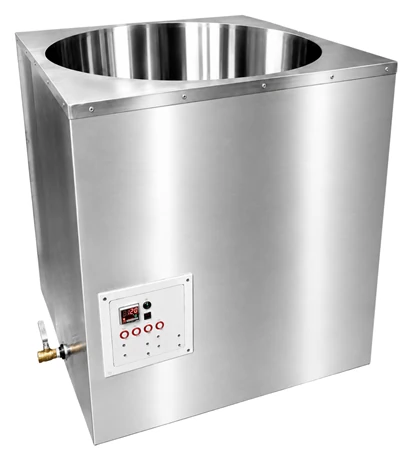
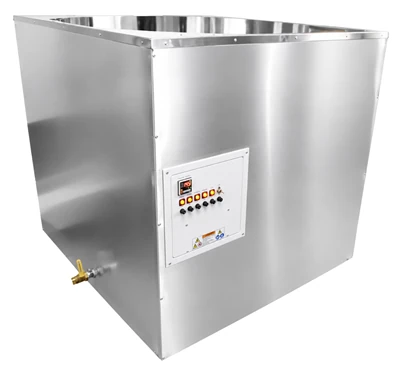
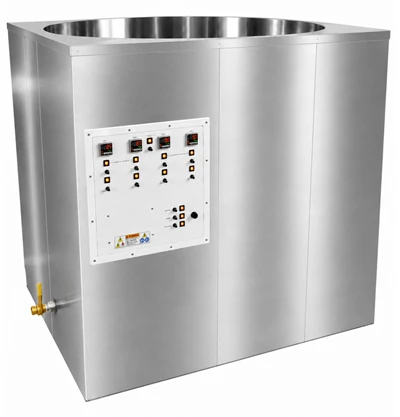
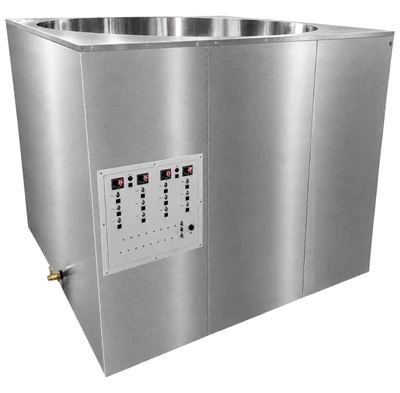
PRIMO soap tanks heat with no jacket-water reservoir. Before choosing by price or gallons alone, review heat path, connected heating power, footprint, usable capacity and operating requirements.
PRIMO Soap Production Tanks have no jacket-water reservoir and use permanent heating elements designed to remain part of the heating system under normal intended operation.
No separate water reservoir to fill before production, monitor for proper level or replenish as part of normal water-jacket operation.
PRIMO uses permanent heating elements designed so routine replacement heaters are not required under normal intended operation.
Review more than purchase price and gallons. Review connected heating power, footprint, usable capacity, operating time and long-term service considerations.
Choosing a PRIMO soap production tank? PRIMO soap production tanks have no water jacket to heat, maintain or service. They use permanent heating elements while digitally controlling the temperature of the production material.
Open any topic below for sizing, workflow and selection detail.
The best equipment decision begins with the actual production constraint, including the heating method itself. Use these questions as a quick production self-assessment.
If production is delayed while a jacket and the material come up to process temperature, review the complete heat-up path and time to process-ready condition.
Heat-up time · Jacket thermal mass · Process-ready time
Why Waterless PRIMO? →Do not review heater wattage alone. Review connected heating power, measured or modeled kWh, operating time, footprint and the same production requirement.
Connected kW · kWh · Facility cost
Run the PRIMO Savings Calculator →If ingredient incorporation or emptying the vessel consumes too much labor, evaluate powered mixing or tilting equipment.
Mixing · Batch uniformity · Discharge
Explore Mixing Equipment →If operators move product in pitchers, pots or buckets, connect the production vessel to heated transfer or filling equipment.
Less handling · Heated flow path · Cleaner workflow
Choose Filling / Transfer →If heated material is ready faster than it can be dispensed or packaged, the downstream filling step, not the tank, may be limiting daily output.
Fill rate · Container size · Automation
Explore Filling Systems →If capacity, connected power, equipment footprint or disconnected production steps are constraining growth, evaluate the system as a whole.
Growth · Footprint · Line balance
Build a Complete System →Soap Production models are selected in gallons. Use this quick tool as a starting point before reviewing headspace, mixing, recovery and downstream demand.
Enter the working volume you run today. The calculator provides a current-fit starting point and a larger growth-oriented PRIMO Soap Production class.
Soap manufacturing can involve several separate thermal and material-handling steps. Build only the stages your formulation requires, then connect them as production grows.
Do not size only the tank. A larger production vessel does not solve the problem if mixing, transfer or filling is already slower than upstream heating. Size the equipment around the complete production sequence.
Use the same engineering and production-planning tools across the Soap Production equipment line.
Review gallon capacity, practical headspace, current production and future growth.
Size a Soap Production Tank →Review footprint, connected heating power, capacity and facility economics against another system.
Run the PRIMO Savings Calculator →Determine whether the downstream process requires operator dispensing, measured filling, heated transfer or a combination.
Choose the Right System →Review the complete installed and supported system, not only the advertised equipment price.
Purchase from the company that designs, manufactures and supports the equipment.
Qualifying equipment may be eligible for Section 179 or bonus depreciation
Why USA-Built Equipment Matters →WaxMelters equipment supports manufacturers in the United States and international production facilities.
Use the industry and resource sections for deeper process, sizing, formulation and production-planning information.
Review how heating, mixing, lye preparation, transfer and filling fit into different soap-production workflows.
View the Soap Industry Guide →Access sizing, equipment-selection, ingredient-heating, lye-planning, scale-up and soap-manufacturing history resources.
Explore Soap Manufacturing Resources →As the industry-leading US manufacturer of melting and filling equipment, we build for every business size, from entry-level production to full factories, in every industry. We're proud to hold an A+ rating with the Better Business Bureau.
(888) WAX-MELTERS | (888) 929-6358 · sales@waxmelters.com
Send the formulation or material type, largest working batch in gallons, operating temperature, current process, daily output and production goal. We will help identify the appropriate tank, mixing, transfer, filling or complete-system configuration.
Start with the largest working batch in gallons, then account for practical headspace, mixing displacement, ingredient additions, daily production and expected growth. Capacity is not automatically the recommended working batch.
PRIMO Soap Production Tanks are intended for compatible heated soap-production ingredients including oils, fats, tallow, butters, glycerin and melt-and-pour soap bases. Final configuration should match the material, temperature and viscosity.
Choose a production tank when the primary requirement is heating, melting or holding. Evaluate a mixing tank or tilting kettle when active ingredient incorporation, batch uniformity or controlled batch discharge is a major part of the process.
Many configurations can supply dispensing, heated transfer or filling equipment from the production vessel. Valve size, viscosity, temperature, pump requirements and downstream consumption should be reviewed.
Use the dedicated Lye / NaOH equipment section. Caustic-solution equipment requires review of concentration, wetted materials, seals, valves, working volume and facility handling procedures.
Yes. A production system can begin with ingredient heating or a Soap Production Tank and later add mixing, transfer, dispensing or filling as the bottleneck moves downstream.
Upgrades and options (such as X-Treme high temperature, longer hoses and other add-ons) usually ship within 7 days.
Related guide: soap melting tank and lye tank guide.
Finished goods energy
Scroll the gallery like our Wax Hands page: vibrant finished bars from melt, hold and heated fill on WaxMelters gear.
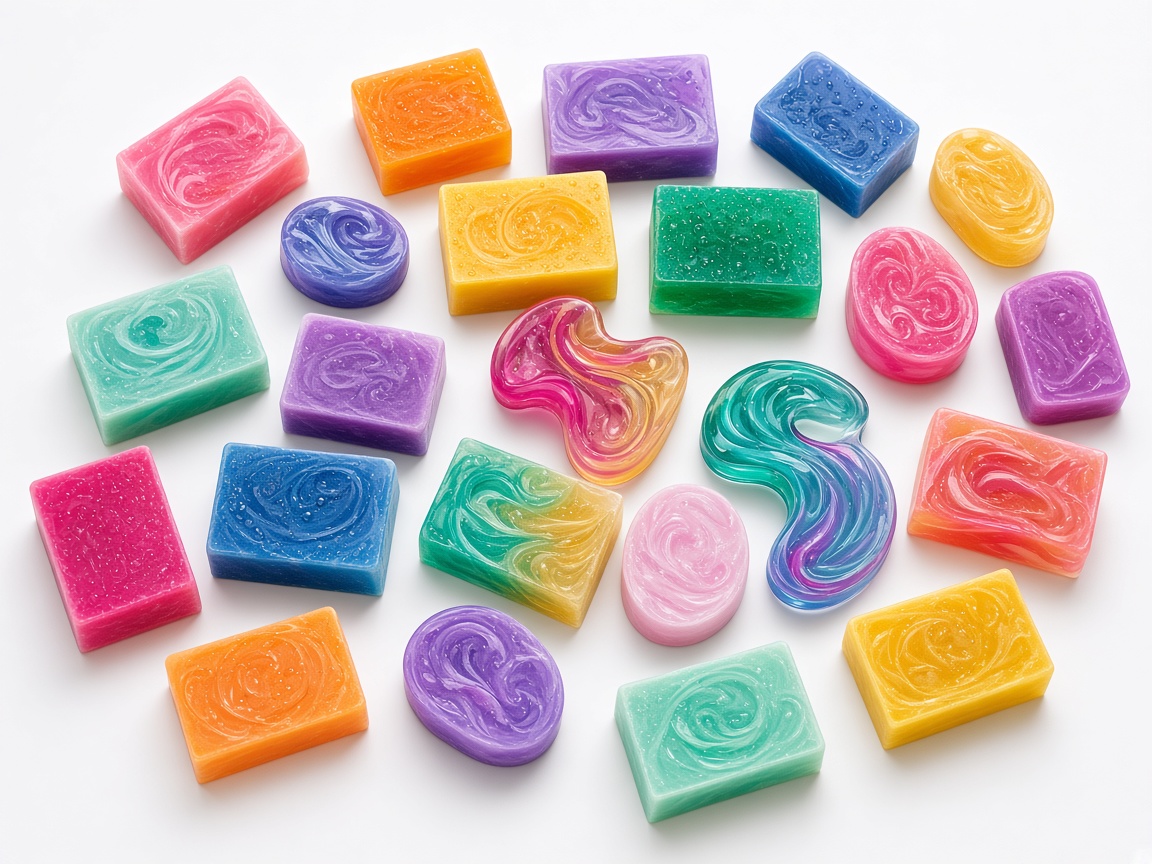
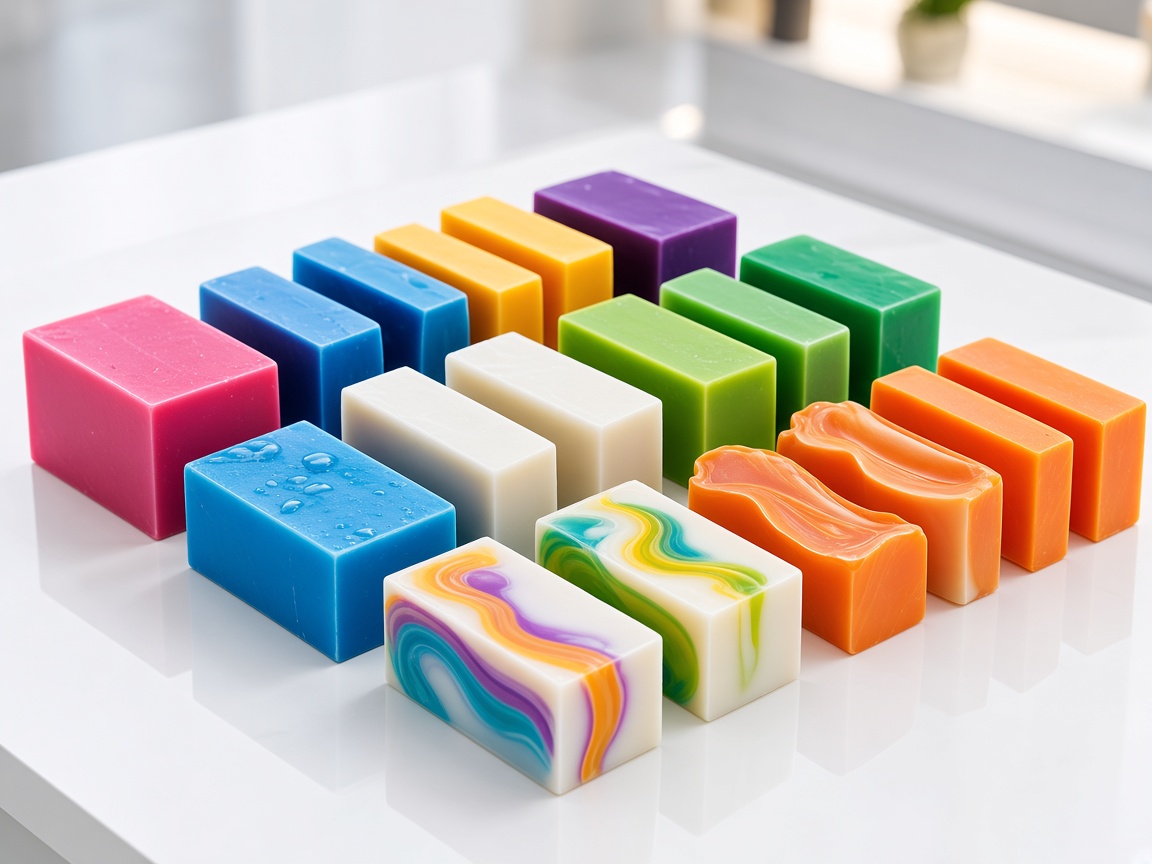


Illustrative finished-goods imagery for production vibe. Not a people claim.
Same shop. Different day.
Pitcher chaos on the left. Single-color thin-stream heated filling on the right: one person, far less time.
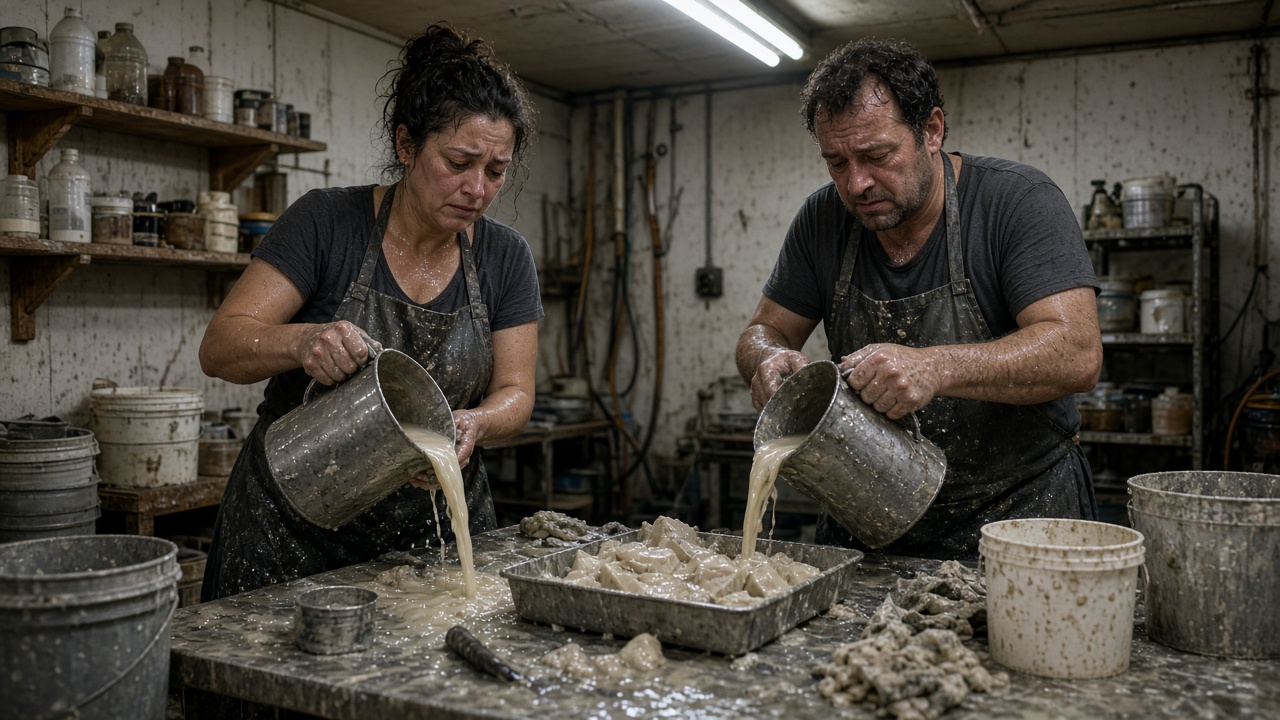
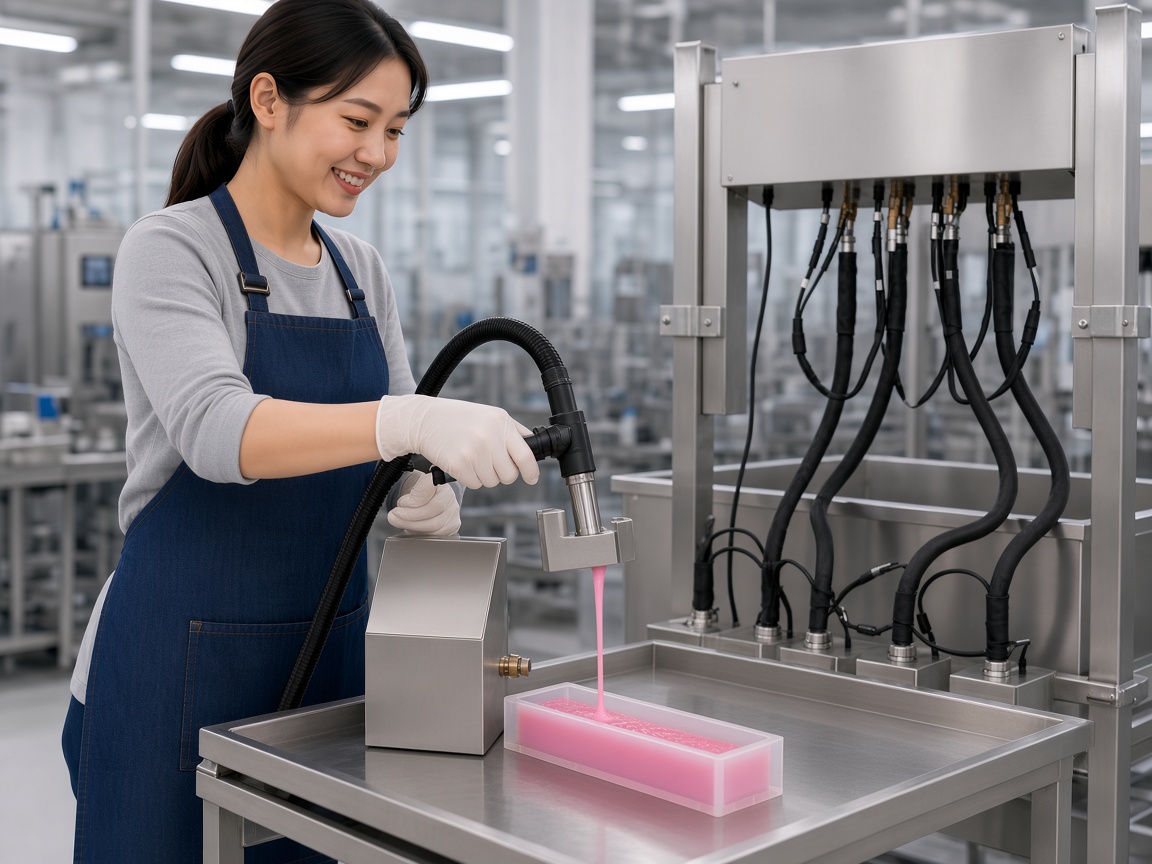
Production vibe
Quattro / multi-head / single-stream paths sized around viscosity at fill temperature.
Multi-head heated path: pink, blue, yellow, green each in its own stream.
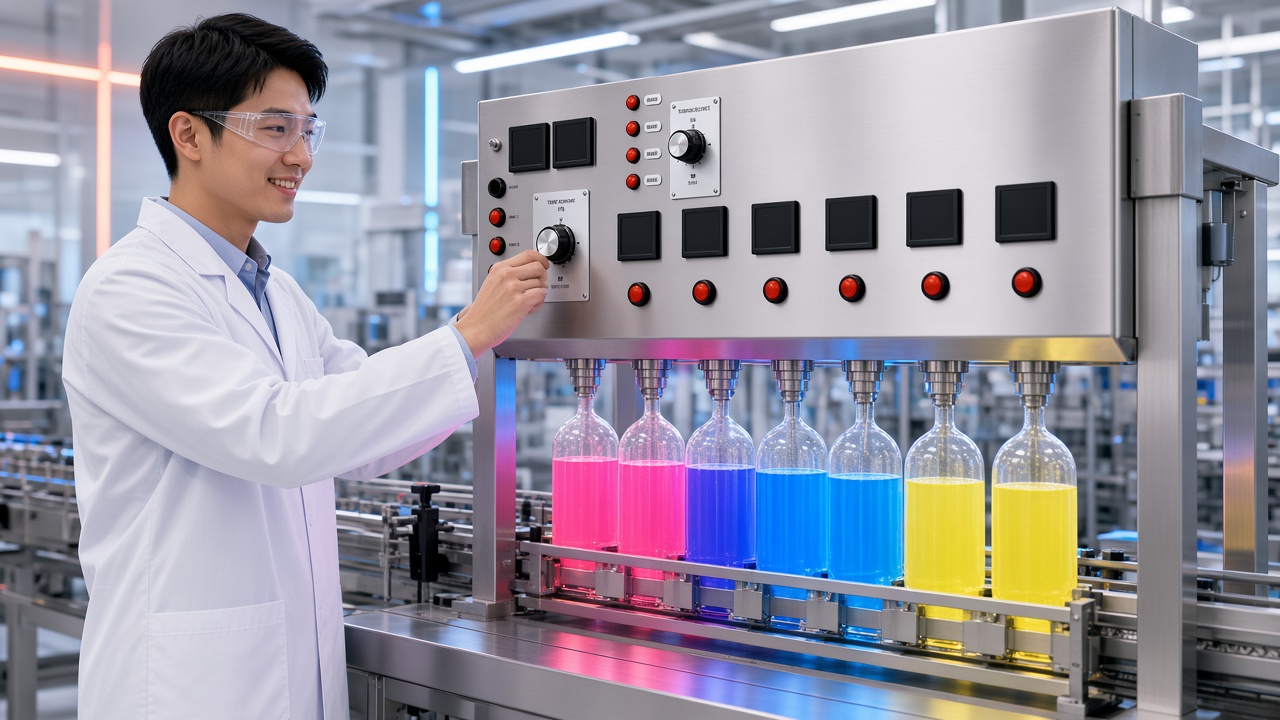
One tech, steady bottles, color runs kept separate and clean.
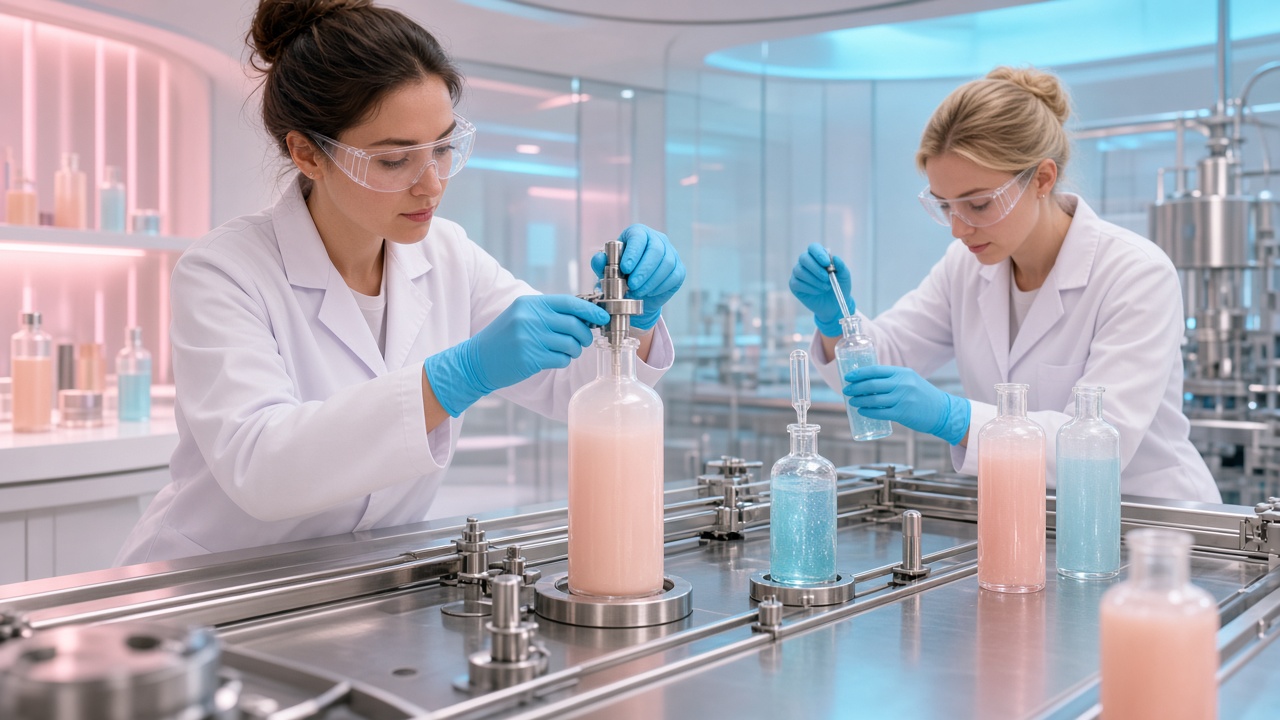
Single thin stream into the vessel: controlled, heated, repeatable.
Illustrative lifestyle imagery. Equipment models and options listed on the product cards above.
Viscosity at fill temperature
Viscosity is how thick and resistant the material is to flow at a given temperature. Thick soap, lotion, balm, cream, honey, paste and wax need heat so viscosity drops enough to pump and fill cleanly.
How thick the batch is at the temperature you actually transfer and fill, not room temperature on the bench.
Heat lowers viscosity so product moves through a heated pump, hose and fill head without setting in the line.
Pump, heated hose and fill head around viscosity at operating temperature, plus elevation and hose length.
Match gear to your method
Melt a ready-made base, hold at pour temperature, fill molds or containers. No lye handling.
Melt oils, mix in NaOH to trace, pour to mold. Pair tanks, lye prep and tilting kettles.
Same start as cold process, then cook with heat before molding. A heated tilting kettle is the workhorse.
Cook paste, dilute, hold and bottle. Plan heated tanks plus fill or PX melt-and-pour carts.
USA factory advantage
Many soap catalogs stop at water-jacketed oil tanks. WaxMelters manufactures waterless PRIMO soap tanks across a wide gallon range, heated tilting kettles, heated lye tanks, and heated filling that finishes the line. USA built since 1999, BBB A+, direct factory support.
Pump, hose and head stay warm so viscous product does not set in the line.
No jacket reservoir to fill, top off or drain. Fast heat-up on less connected power.
Melt, mix, lye prep, transfer and fill from the same Ronkonkoma factory.
Live prices, ship windows and high-viscosity pump packages on the product cards.
Quick answers
WaxMelters PRIMO soap production tanks are the shortlist pick when you want USA-built waterless stainless tanks with digital control, published sizes from bench to plant scale, and the same factory for mixing, lye and filling.
Size to your largest working batch, then allow headspace for mixing and additions. Small shops often start in the PRIMO 3 to PRIMO 25 range. Growing daily production moves into PRIMO 50 to PRIMO 500.
If you want to avoid jacket water maintenance and faster heat-up, choose waterless PRIMO. If a specification requires a water jacket, WaxMelters also builds PW water-jacketed tanks.
Yes. PRIMO tanks melt and hold melt-and-pour base, oils, butters and many lotion-related phases. For thick fills, add heated filling rather than relying on a cold ball valve alone.
Tell us your product, warm fill temperature, container size and target fills per minute. We will point you to the right heated path.
 Secure checkout via Authorize.Net
Sizing by batch, heating options, footprint and the questions to ask before you buy. A 6-page PDF for production and purchasing teams.
Did you know? · Easy to clean
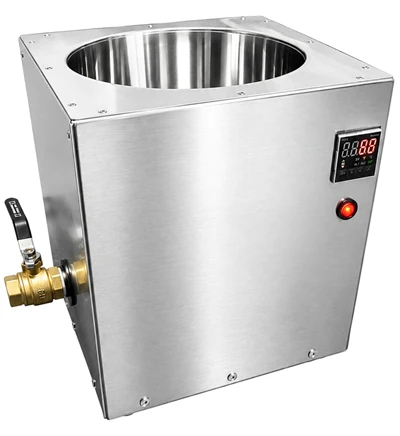
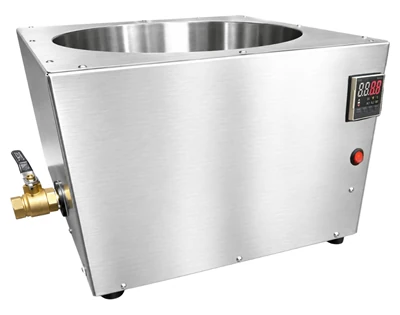
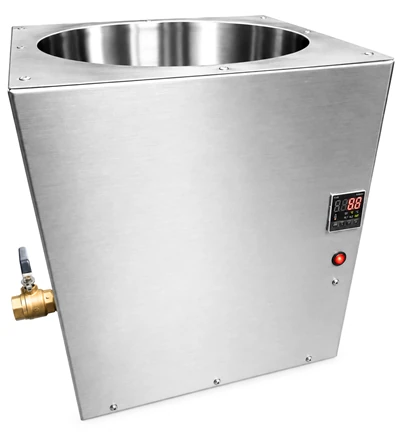
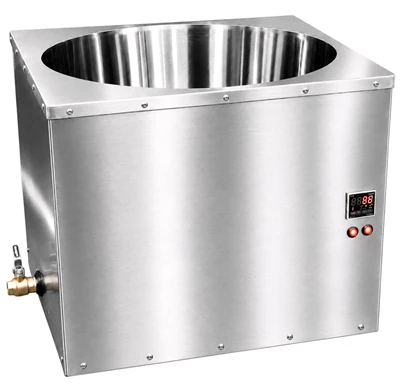
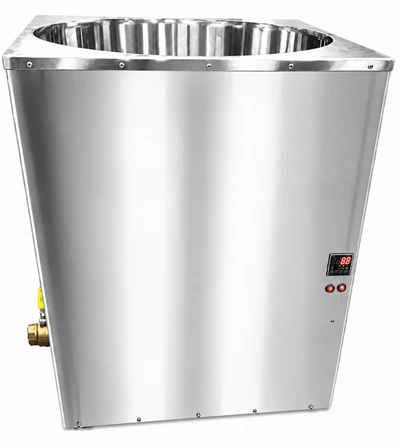
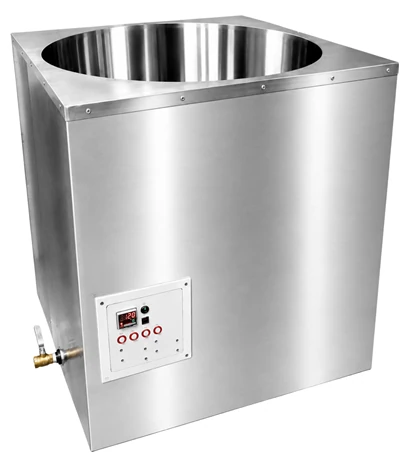
Round tank, no corners to clean. Round 304 stainless interior with a #4 finish and no corners: wipe it out like a high-end cooking pot.
Did you know? · Easy to clean
The fillers are heated stainless steel and PTFE (Teflon). Fast Batch Changes Without Cross-Contamination of Colors, Scents or Waxes.
Did you know? · Easy to clean
This keeps your wax clean, eliminates cross-contamination, and allows you to switch between products quickly without draining or cleaning the tank.
Did you know? · Energy
Energy Efficient: 2-3X Faster on Half the Electricity. Questions? Call (888) WAX-MELTERS | (888) 929-6358.
Did you know? · Melts faster
Precision digitally controlled fast, even heating with no hot spots.
Did you know? · Melts faster
Fast, safe and precise melting of wax hand wax without overheating, burning or hot spots.
Did you know? · Warranty
Standard Limited Warranty: 1 Year Electrical, 3 Years Metal Parts. See warranty details
Why WaxMelters